

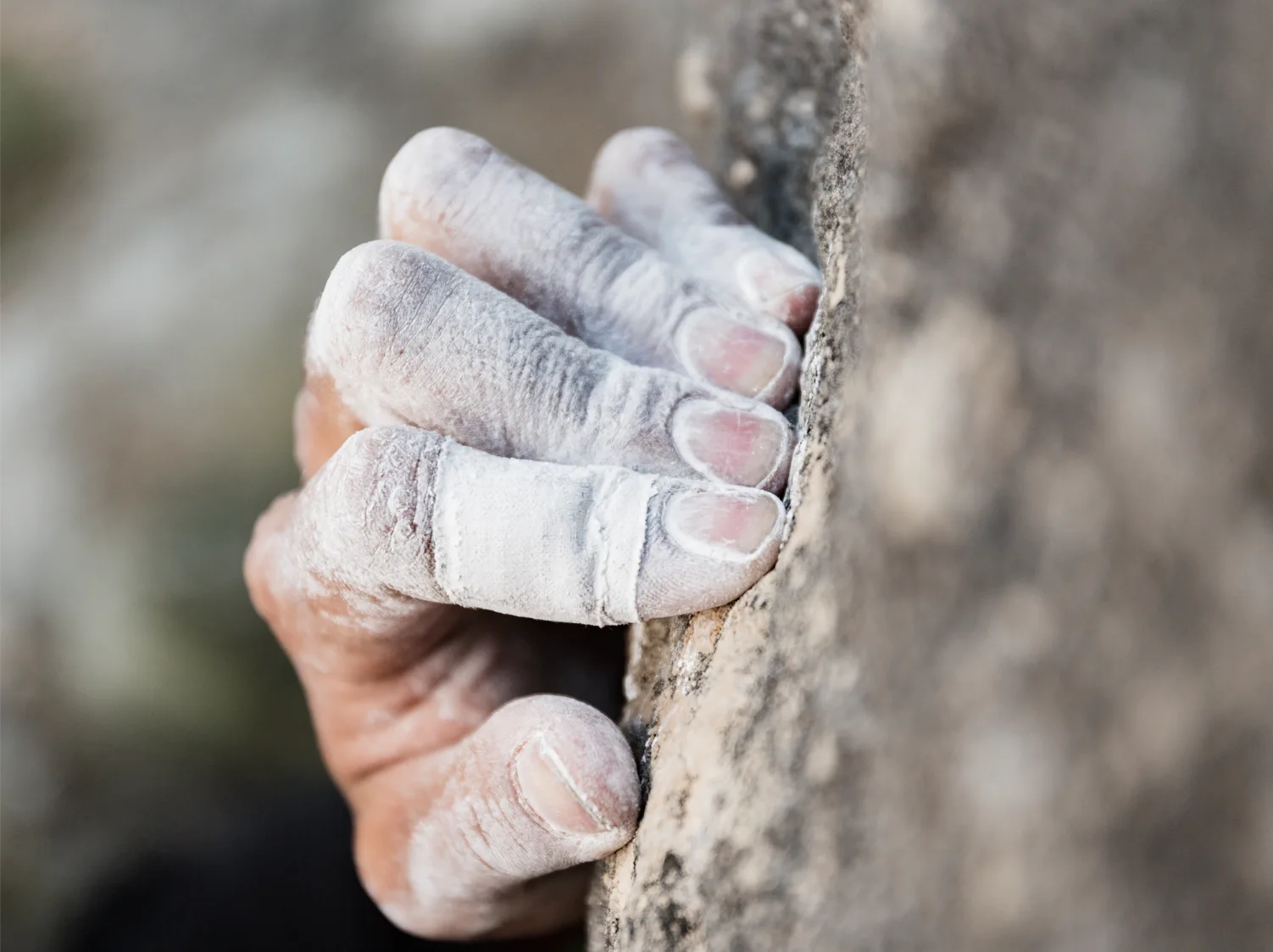
We are approaching one of the busiest times of year at the climbing clinic. Motivation is high, goals are ambitious, and we are all excited about the prospect of getting stuck into a new training block. Unfortunately, this is also the time when I see a predictable spike in finger tweaks, elbow pain, shoulder issues, and overuse injuries that could often have been avoided.
As climbers, we’re great at pushing through discomfort and convincing ourselves that progression requires some pain. But our body doesn’t care if it’s January or that we’ve promised ourselves a breakthrough season. Injury risk doesn’t increase because you’re weak or doing something “wrong”. It usually rises when training load, intensity, or frequency increases faster than your body can adapt - “too much, too soon”.
Here are a few habits that can dramatically reduce your injury risk while still allowing you to train hard and progress as a climber.
1. Respect the Load Jump
Most climbing injuries we see aren’t caused by a single move - they’re caused by ramping up training load too rapidly. The new year often brings:
- More sessions per week
- Harder grades
- Added fingerboarding or board climbing
- Longer sessions
- Extra strength and conditioning work
Your muscles adapt relatively quickly. Tendons, pulleys, and joints take much longer (think about 3 times as long). They need time under manageable loads to get stronger if you want to mitigate the risk of injury.
A simple rule of thumb:
If you’re increasing intensity, keep volume the same.
If you’re increasing volume, keep intensity the same.
Doubling sessions and adding a new fingerboard plan is a fast track to developing painful fingers.
2. Fingers Always, Not Fingers Only
Fingers are the most injured area we see in climbing, but they rarely happen in isolation – meaning they are often part of the puzzle, but other aspects are often missing as to why your fingers could be getting overloaded. It’s important to be constantly working on your finger health as a climber but other aspects are often overlooked when trying to improve.
From our perspective, resilient climbers tend to have:
- Good body tension and footwork
- Strong shoulders in a variety of positions
- Mobile joints that help to access a variety of body positions
- A base level of general strength and athleticism
This doesn’t mean endless off-wall training. It means recognising that fingers are part of a system, not a standalone unit.
3. Warm-ups Are Essential
Warming up doesn’t have to be an exhaustive chore that takes a lot of time. Most people who are uninjured can bosh out a warmup in 15-20 minutes without too much effort and be ready to start the part of their sessions which involves harder climbing.
A good simple warm-up should:
- Gradually increase heart rate
- Load fingers progressively
- Move shoulders and hips through range
- Feel specific to the session ahead
If you’re about to get on the board or some fingery climbing, your warm-up needs to reflect that. However, if you’re gearing up for a circuit session of low intensity climbing, your warm up need not be as intense. Warm-ups don’t prevent every injury, but poor preparation consistently increases risk - especially in colder weather.
4. Manage Fatigue, Not Just Pain
Listening to your body and stopping, assessing and adjusting your climbing and training when something hurts is helpful. A better and more proactive strategy is usually stopping when quality (of your climbing/session) drops.
Warning signs for climbers to watch for:
- Loss of finger coordination / grip position
- Sudden changes in movement style
- Not feeling fully rested after your allotted rest time
- Cutting loose unintentionally
- Persistent tiredness and low enthusiasm
Training while fatigued occasionally is part of a calculated training plan. Training while chronically fatigued is where injuries often await.
5. Recovery Is Part of Training (Even If It’s Boring)
Sleep, nutrition, and rest days don’t often feel productive - but from a tissue adaptation standpoint, they’re essential.
If your recovery is poor, your adaptable training load shrinks and the injury risk increases. That means sessions that used to be fine suddenly become risky – it’s all too often we see climbers in the clinic who haven’t changed their training, but recovery has been impacted which has led to an overload injury.
You don’t need to optimise every single thing – that can often induce more stress and reduce your recovery. Most people should aim for:
- Consistent sleep most nights of the week
- At least one-two true rest days per week (based on your training history)
- Enough food to support training (especially carbs) - if you’re unsure about eating to train then consult a nutritionist/dietician.
These things tend to matter far more than the perfect exercise selection/supplement stack.
6. Pain Isn’t the Enemy - Ignoring It Is
Pain doesn’t automatically mean damage, and discomfort during training isn’t always a red flag. But persistent pain, stiffness and weakness that:
- Lingers after sessions or into the next day
- Worsens week to week
- Changes how you climb
This is information worth listening to.
Early intervention is almost always easier than trying to rehab a long-standing issue that develops over the next months. If experience any of these symptoms, seek a professional opinion rather than pushing through – it will likely save you a lot of frustration.
Final Thoughts
The new year is a great time to set challenging goals and get excited about climbing projects/trips. Just make sure your body can keep up! Injury prevention isn’t about being cautious or holding back. It’s about training in a way that allows you to climb consistently, year after year, and see long-term, sustainable progression.
Send this article to your climbing partners to make sure they are less likely to be injured for your next climbing trip or season.
If you’ve read this article too late and you’re experiencing an injury that’s holding you back, you can book in-person or remote consultations with one of our specialist climbing physios: https://www.sheffieldclimbingclinic.com/


